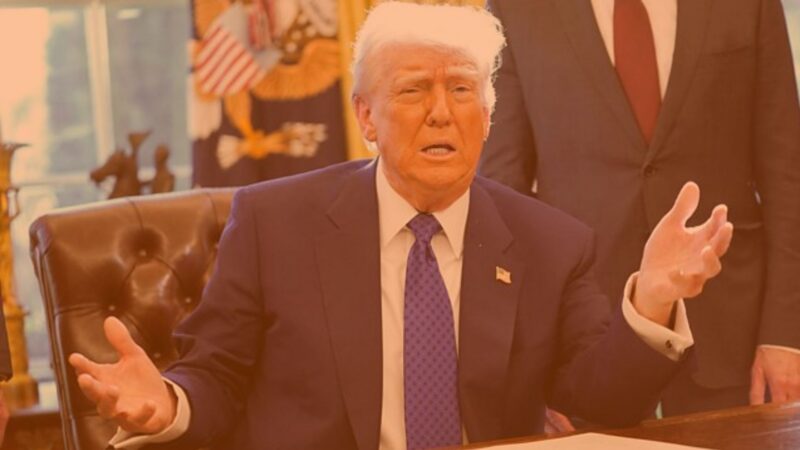


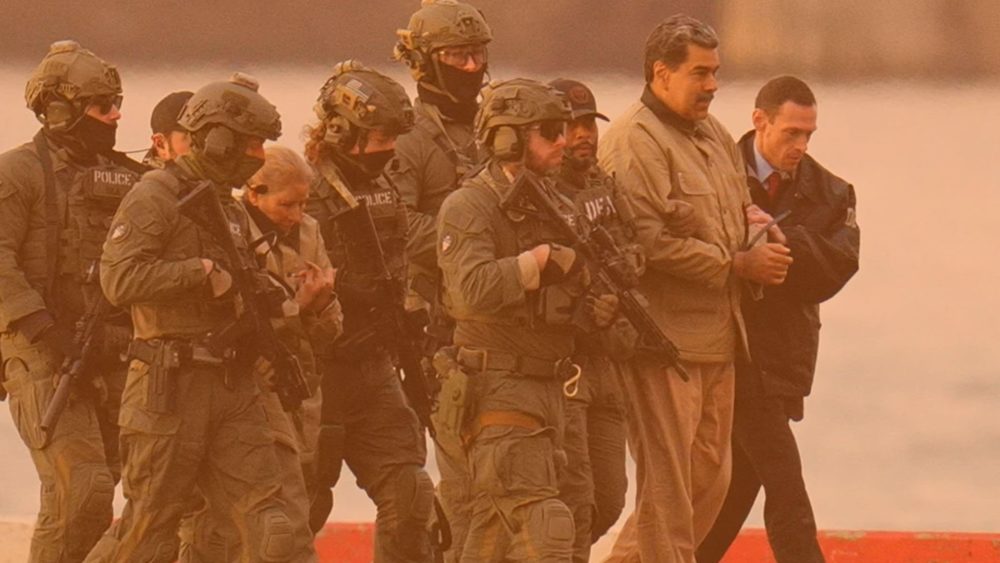
The January 3 capture of Venezuelan president Nicolás Maduro by United States forces in a midnight raid on the country showed the world a bold new face of American power. Washington, under president Donald Trump, has removed the belief that the president needs to adhere to the rules of international law. Instead, the White House’s position is that the US can and will act to confront perceived threats.
The question that now remains is: who’s next?
Venezuela
Before getting into potential next targets for Washington, it’s worth looking at the near future for Venezuela.
Vice president Delcy Rodriguez is now the de facto leader of the country in Maduro’s absence. Despite still claiming Maduro as the legitimate ruler of Venezuela, the Trump administration believes, according to reported secret talks between Rodriguez and the US brokered by Qatar, that the new office holder in Caracas will be easier to work with.
They may be right. Despite her publicly stated loyalty to the ousted Maduro, Rodriguez is known to be a “bridge” between the private sector and the Venezuelan government under Maduro. In fact, as Bloomberg reports, the international oil industry quietly lobbied for her to take over the presidency.
Further, only a day after Maduro’s capture, the South American country’s new leader also reportedly discussed re-establishing diplomatic ties with Washington, re-opening the US embassy in Venezuela and, according to president Trump, has been in “constant” communication with US Secretary of State Marco Rubio.
Still, even if Rodriguez doesn’t comply with Washington’s dictates about how the country should be “run,” which could last for years according to the White House, president Trump has threatened “boots on the ground” to impose US will.
Cuba
The collapse of the Cuban government has long been a goal across multiple US administrations.
The self-proclaimed Communist leadership of the country has been a target of Washington’s ire – and outright intervention with president John F. Kennedy’s Bay of Pigs invasion in 1961 – ever since Fidel Castro seized power 1959.
Since the capture of Venezuela’s Maduro, president Trump has hinted Cuba was next. The nation is also likely high on the list due to the priorities of Secretary of State Marco Rubio, the son of Cuban immigrants to the US and opponent of the Caribbean island’s communist government.
While the Trump administration has not ruled out military action similar to the Venezuela campaign – Trump reportedly rejected ideas of invasion, while Secretary of State Rubio did not “rule out any policy decisions”- Washington may get its wish without the theatrics of Venezuela.
Cuba is known to receive much of its oil from Venezuela under an agreement by Nicolas Maduro‘s predecessor, Hugo Chavez, after his Bolivarian revolution took power in 1999.
Without Maduro in office to supply oil to the neighboring island nation – combined with ongoing power outrages from damage caused by Hurricane Melissa, Washington’s nearly 70-year-old trade embargo, and the US efforts to block oil shipments in the region, how long can Cuba literally keep the lights on?
Greenland
Another potential target lies in the North Atlantic.
Greenland has been a fixation of president Trump since his first term. The far-north territory, currently governed by Denmark, possesses vast rich rare earths – resources that, as with other nations like Ukraine and China, are a central foreign policy goal for the Trump White House. Washington also views Greenland as strategically vital amid alleged military buildup by Russia and China in the Arctic.
So far, like most of Trump’s interactions with Europe in his second term, the president is likely to get what he wants.
Despite proclamations against Trump’s claim to Greenland, Europe is looking to make a deal with Washington. Reported proposals range from Denmark altering Greenland’s legal status to allow greater U.S. freedom of action, to increased NATO military spending – a longstanding Trump demand – in Greenland’s Arctic perimeter.
Meanwhile, the White House is reportedly considering $100k payments to convince Greenlanders to vote for independence from Denmark and eventual accession to the United States. If “buying” Greenland doesn’t work, president Trump has been briefed on military options.
As for timing, last week the president said “let’s talk in 20 days.”
Iran
Perhaps Washington’s next target is in the Middle East.
Recent protests in Iran over surging inflation have caught the attention of the White House. Trump has stated the US stands with the protesters, and promised to “hit Iran very hard” if the government cracks down.
Similar to progress on Greenland, The White House was reportedly briefed on military options last weekend.
There are also rumors that any US strikes on Iran would be not out of sympathy for protesting civilians but rather in coordination with Israel’s prime minister Benjamin Netanyahu over concern the country is continuing nuclear weapons development. The US and Israel struck Iran in 2025 over this issue.
Confronting perceived threats abroad, and at home
The curious angle to the recent capture of Venezuela’s Nicolas Maduro and potential future strikes is that none of the targets pose a threat to the United States. The claim that Maduro was part of a drug cartel shipping fentanyl – which has killed hundreds of thousands of Americans and the alleged reason for his capture – is not mentioned in the Department of Justice indictment against the South American leader.
This leads many to wonder – especially in the wake of last week’s killing of Nicole Good by ICE agents – are these adventures abroad meant as a distraction from domestic failures?
Do you want to be informed of DiEM25's actions? Sign up here