

A bold decree challenges Europe’s fear-driven migration policies and affirms inclusion as a social strength
Spain has taken a courageous step that challenges the crisis-ridden consensus on migration that has held much of the European Union in a grip of fear and exclusion. By approving a decree to regularise roughly 500,000 undocumented migrants and asylum seekers, the Spanish government is breaking decisively with the punitive, fortress-Europe approach that has dominated EU policy debates for more than a decade.
In stark contrast to the EU’s increasingly hard-lined stance – typified by border militarisation, deportation-focused asylum rules, and the controversial New Pact on Migration and Asylum that prioritises rapid processing and removal over protection – Spain has chosen a path rooted in inclusion rather than deterrence.
This matters because restrictive EU policies have not only failed to stop people from moving, they have fuelled human suffering and strengthened the hand of far-right actors across the continent.
Spain’s action aligns with the ideas laid out in our Migration Policy that Puts People First: Solutions for Inclusive Societies – where we call for a holistic approach to migration that grants people their rights, addresses root causes of forced migration, and supports both newcomers and host communities.
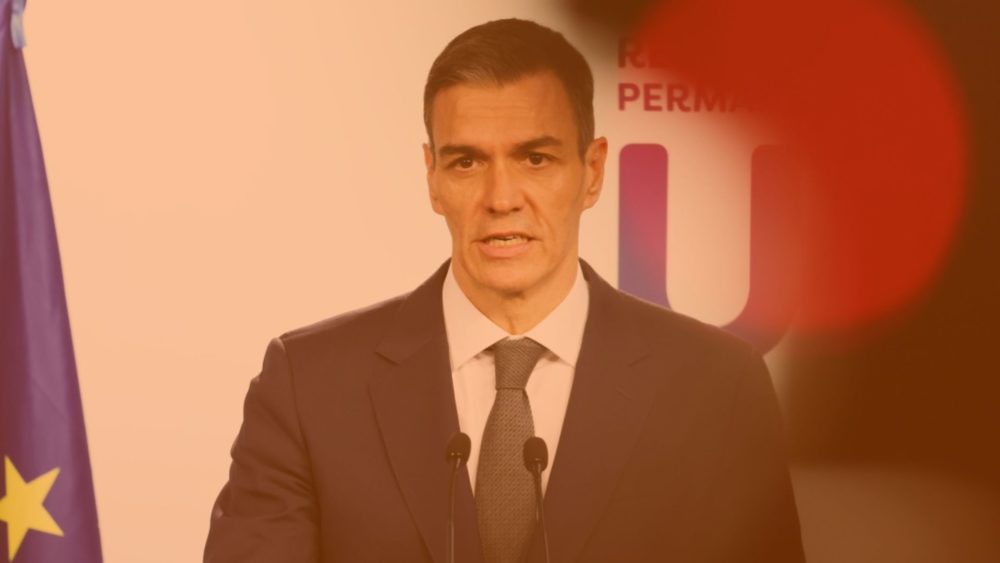
Addressing parliament in October 2024, Spain’s prime minister Pedro Sánchez made the case plainly: Spain needs migration to sustain its labour force, economy and welfare state – and it must manage it with humanity, not hostility.
The new decree will allow people who have lived in Spain for at least five months and meet basic criteria – including a clean record – to apply for legal residence and work permits, bringing stability, dignity and access to core rights.
By anchoring migration policy in human rights and community integration, Spain’s decree points toward the kind of humane, effective approach our paper advocates for all EU states.
At a time when much of Europe doubles down on walls – both physical and political – Spain’s move is a reminder that alternative, people-centred approaches are not only possible, they are necessary.
If the EU truly aims to be a union of values, it must abandon the politics of exclusion and follow where Spain has begun to lead.
Unfortunately, under its dire current leadership, we know that will not happen without a serious push by citizens. That is why we must become more vocal than ever on the topics that matter.
Do you want to be informed of DiEM25's actions? Sign up here