The defeat of Viktor Orbán after 16 years in power marks a historic moment for Hungary, and for Europe.
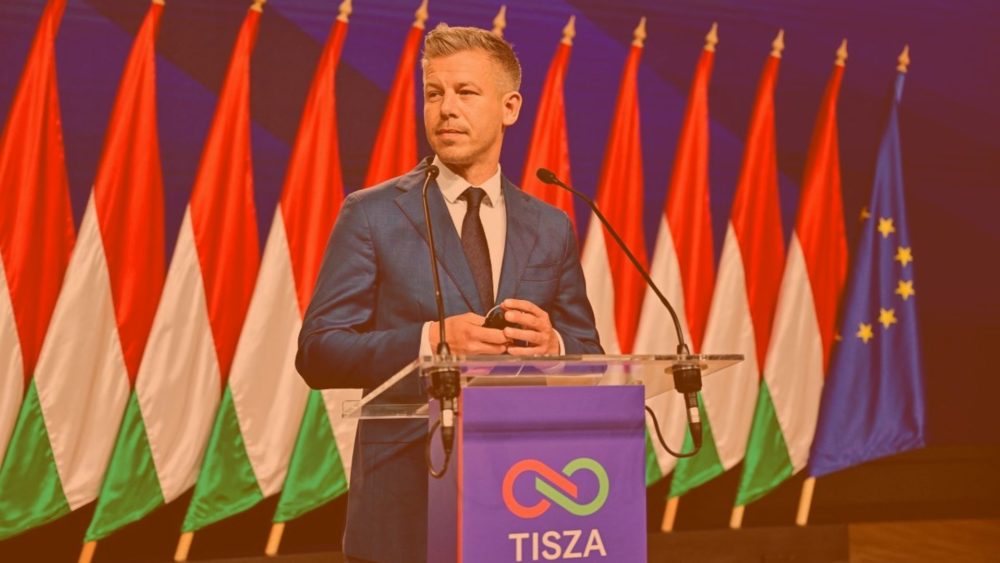
The victory of Péter Magyar and his Tisza movement reflects a clear and powerful rejection of authoritarianism, corruption, and the hollowing out of democratic institutions. Hungarian voters have shown that even entrenched systems of power can be challenged and defeated.
For years, Orbán’s rule came to symbolise the rise of “illiberal democracy” in Europe: the capture of media, the erosion of judicial independence, and the normalisation of nationalist and exclusionary politics.
His defeat is therefore not just a national political shift, but a signal that authoritarian projects across Europe are neither inevitable nor invincible.
At the same time, we must be clear: the foundation on which Magyar achieved this victory is far from progressive, nor visionary.
Péter Magyar was for years an ally of Viktor Orbán, and his politics remain rooted in a deeply conservative framework. Key questions such as social justice, migration, and fundamental rights remain threatened by his government, while his blindly positive approach to the European Union, which peddles its own form of neoliberal authoritarianism, locks his people into the old “TINA” doctrine that “There Is No Alternative to the EU”. .
It is also significant to note that although Orban’s defeat robs Vladimir Putin of one of his most valuable European allies, it also means that the EU, now unfettered from Hungarian vetos, can pursue its warmongering policies against Russia without resistance. While we celebrate the first step for Hungarians towards a return to a free democracy, it is important to remain cautious regarding the geopolitical implication in Eastern Europe, which could be pushed further into a forever war with Russia, and eternal indebtedness to the EU, much to the impoverishment of all Europeans, from Ukrainians and Russians, to the Irish and Portuguese.
Hungary stands at a crossroads
With the country at a crossroads, on one path lies the restoration of democratic norms: anti-corruption measures, judicial independence, media freedom, all unfortunately tied-in with a renewed relationship with the European Union. Real democracy cannot stop at replacing one government with another. It must mean transforming power itself, placing it in the hands of people, not elites; building institutions that serve society, not oligarchs.
Hungary has taken a step out of the darkness, but now the real work begins.
Do you want to be informed of DiEM25's actions? Sign up here