

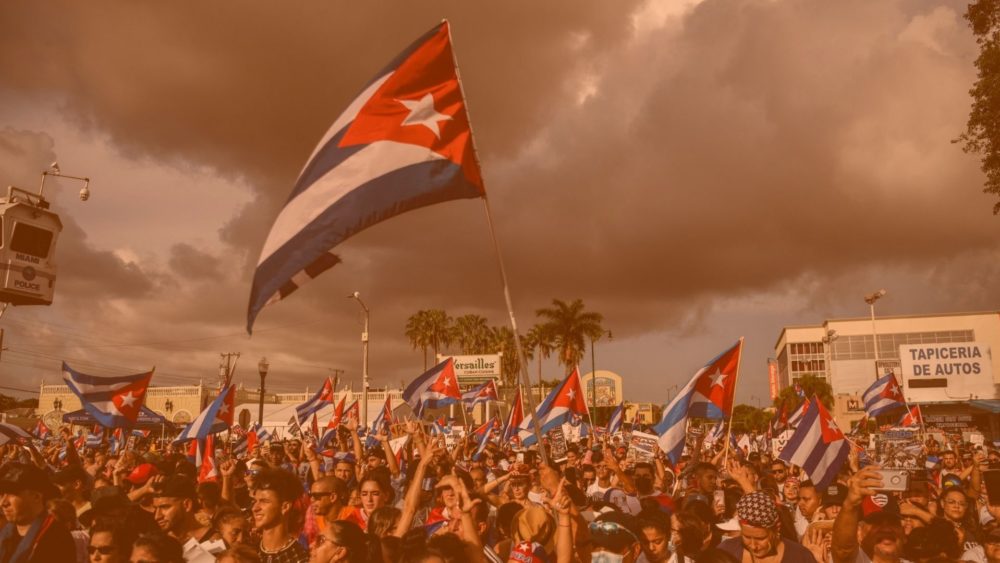
Cuba has been under economic blockade for over six decades – but that blockade has been stepped up by the Trump administration.
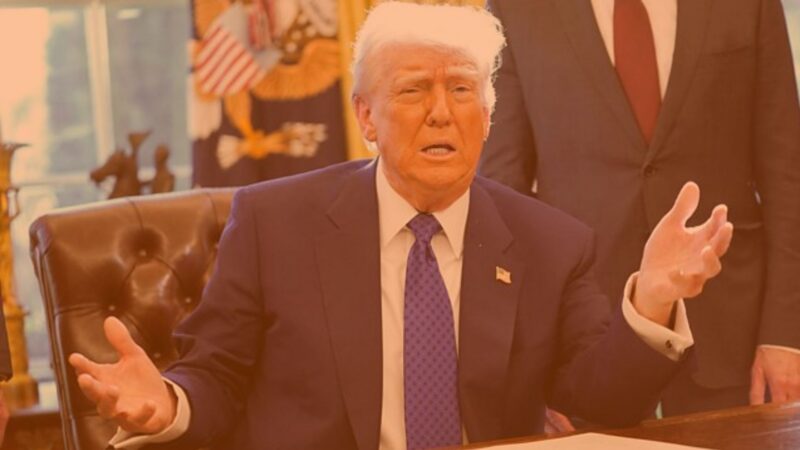
Donald Trump recently signed a new decree that enables the imposition of tariffs on nations that supply oil to Cuba. He stated that the new measures were designed explicitly to “bring about hunger, desperation, and the overthrow of government”. But this policy is not new, it has been the historical position of the United States ever since the success of the revolution in 1959.
In 1992, the Torricelli Act barred foreign subsidiaries of US companies from trading with the island. In 1996, the Helms–Burton Act stipulated that companies investing in Cuba could face lawsuits in US courts. Cuba’s re-inclusion on the State Sponsors of Terrorism list in 2021 added another financial chokehold. The designation restricts access to international credit and makes even humanitarian transactions difficult.
In practice, the blockade affects every aspect of life, a structural economic asphyxiation that would strain any country.
Progress and contradictions
Despite these extraordinary challenges, efforts at social and economic development continue. In recent years, Cuba approved a new Families Code through popular discussion and referendum, broadening protections for diverse family forms and LGBTQ+ rights. It invested in education and cultural production even when resources were scarce.
Cuba was also able to produce its own COVID-19 vaccines under blockade conditions, an achievement that few countries in the Global South could replicate without multinational pharmaceutical backing.

Ecological agriculture initiatives aim to reduce dependency on imports. Agroecological farms experiment with low-input, biodiverse methods. Energy sovereignty is increasingly framed as both an environmental and geopolitical necessity. The private sector is playing a significant role in Cuba’s efforts at energy sovereignty, particularly in solar power.
Energy self-sufficiency is not a choice; it is a survival strategy. Yet it also anticipates a broader ecosocial transition taking place globally. Cuba’s constraints force innovation that many countries will eventually have to consider voluntarily.

Yet challenges and contradictions remain. Inequality has grown in recent years, especially with the expansion of the private sector and remittance-dependent households. Dollarised employment coexists with peso-based salaries, worth ten times less in real terms. Tourism creates visible asymmetries. Young people debate their future intensely, many of them choose to leave.
These tensions are being constantly discussed. Young people debate the future of the Cuban Revolution, which is not static; it is evolving, sometimes unevenly, often under enormous constraint.
A culture of solidarity
Cuba has a long history of international medical brigades, disaster relief missions, and support for anti-colonial struggles. Solidarity with Palestine, for example, is not rhetorical; it is embedded in public discourse and institutional positions.
From public demonstrations to parliamentary statements, support for Palestinian self-determination is framed as part of a broader anti-colonial and anti-imperialist commitment. For Cubans, solidarity is not charity or diplomacy – it is a political principle rooted in their own historical experience of resistance and sovereignty under pressure.
During our time on the island, the brigade had the opportunity to meet and reflect with Palestinian students currently studying in Cuba. Bringing young Palestinians to study medicine and other disciplines here has been a long-standing project, one that has continued even in some of the country’s most difficult economic moments, including the present.
One may critique the policies and strategies of the current government. Cubans can frequently be heard doing so themselves. But this does not negate their demands for sovereignty and respect: the right to determine their political and economic model without coercion.
Resistance and reform
To reduce Cuba to “failed state” is analytically lazy. It erases context, agency, and complexity. It ignores both the agression to which the country has been subjected, and the extraordinary resistance of its people. The reality on the ground is neither utopia nor collapse. It is a society under sustained pressure, improvising, reforming, arguing, and persisting.
What we witnessed in Cuba was not a country frozen in ideology, nor a society in denial, but a people negotiating historical contradictions in real time. Under relentless external pressure, Cubans continue to debate, to reform, to educate, to innovate, and to extend solidarity beyond their borders.
Scarcity has not erased political imagination; siege has not extinguished dignity. If anything, the conditions of economic warfare have clarified what is at stake: sovereignty, social justice, and the belief that another way of organising life is possible.
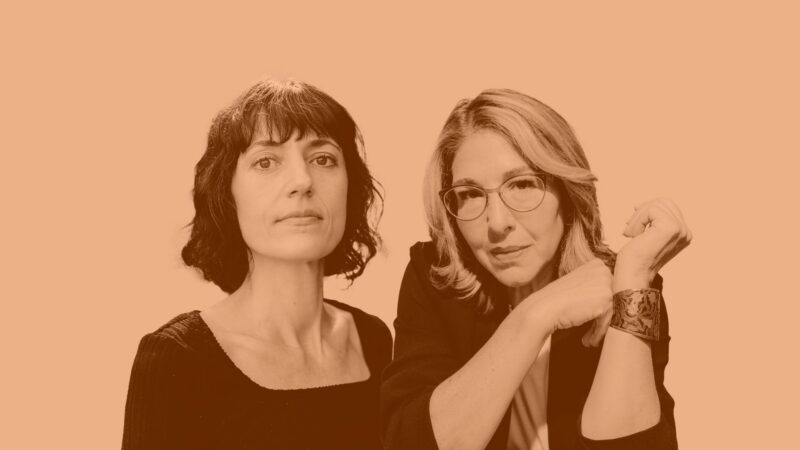
You can follow Miguel González Cabezas on Substack, and find more information about the Rosa Luxemburg Solidarity Brigade to Cuba here.
Do you want to be informed of DiEM25's actions? Sign up here