

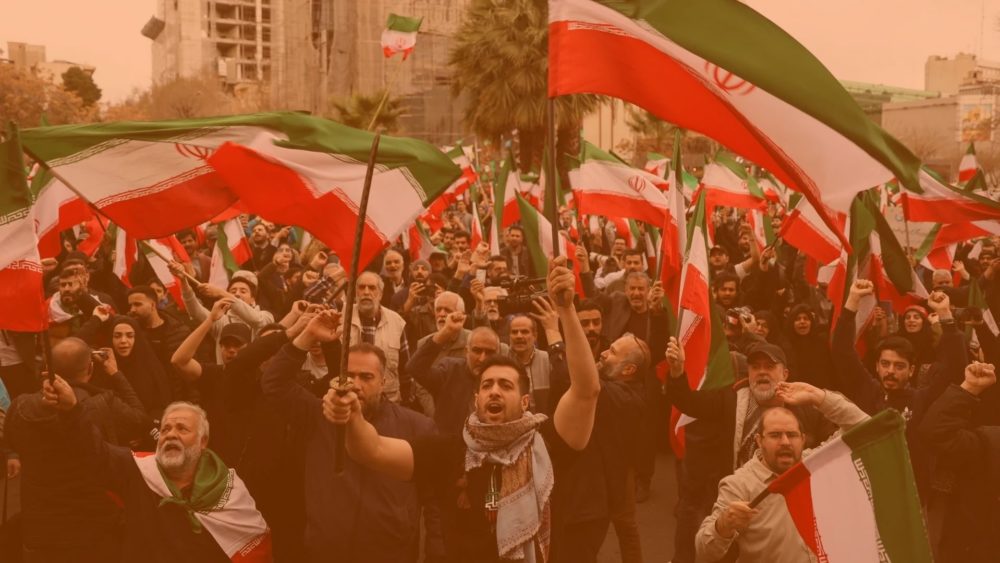
The US and Israeli airstrikes across Iran on February 28 resulted in retaliatory strikes from the Middle Eastern country, plunging the region into conflict.
The attacks against Iran come despite reported progress in negotiations over the country’s nuclear program, a historic sticking point between the countries.
With initial strikes killing Iran’s leader, Ayatollah Ali Khamenei, and Washington and Israel’s explicitly stated goal of regime change, the question arises: who will next lead Iran?
A short history of tension between US-Israel and Iran
Iran’s contemporary suspicion and outright hostility toward the West can be traced back to the 1953 overthrow of the country’s elected leader, Mohammad Mossadegh, in favor of the Shah.
The US and UK-backed coup, known as Operation Ajax, occurred after Mossadegh pursued nationalization of the country’s oil, which was under control of the British-owned Anglo-Iranian Oil Company (AIOC), known today as British Petroleum (BP).
While the Shah restored Western control over oil, the population in Iran faced internal repression, including torture, from the government’s secret police force known as SAVAK.
The backlash against SAVAK and the Shah came in 1979 after the US allowed the Iranian leader to undergo cancer treatment in New York. Students in Iran, outraged by this act and fearful the West was attempting to reinstall the Shah, stormed the US embassy in the capital of Tehran.
These protests and others around that time led to the removal of the Shah and transition of Iran to an Islamic republic headed by Ayatollah Khomeini.
2025-2026 protests in Iran
Iran has been on edge in recent years from protests against perceived repression by the state.
The most recent came in the fall of 2025 over a currency shortage that led to rampant inflation. According to US Treasury Secretary Scott Bessent, the inflation was manufactured by Washington through increased sanctions on oil sales (Iran’s main income source) to create a “dollar shortage.”
“It came to a swift and, I would say, grand culmination in December, when one of the largest banks in Iran went under. The central bank had to print money. The Iranian currency went into free fall. Inflation exploded, and hence we have seen the Iranian people out on the street.”
Bessent referred to the US strategy as “economic statecraft.”
Iran’s government forcefully responded to the protests, with even Ayatollah Khamenei admitting “thousands” had been killed.
The West’s plan for who rules Iran next?
The killing of Ayatollah Ali Khamenei – and the stated goal of regime change by the US and Israel – leaves the world wondering who will now lead Iran.
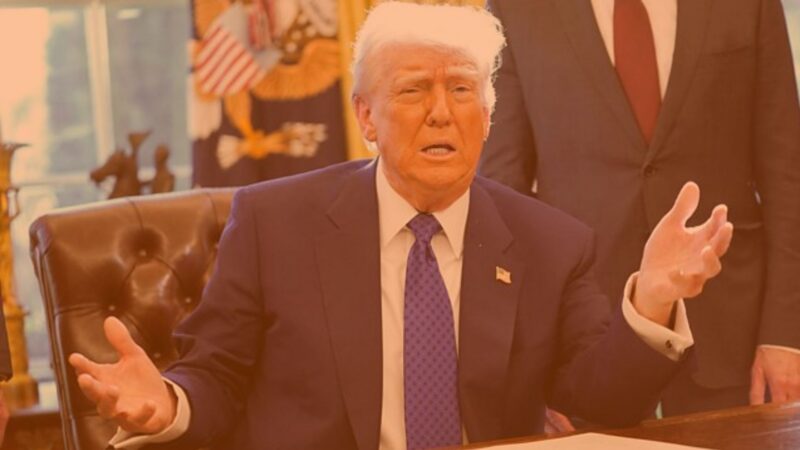
According to President Trump, it won’t be anyone the White House originally planned for leadership since initial strikes on the country “knocked out most of the candidates.”
It’s not going to be anybody that we were thinking of because they are all dead. Second or third place is dead.”
Nevertheless, Washington claims “new potential leadership” in Iran is “ready to talk.”
That potential candidate could be the Shah’s son, Reza Pahlavi, who currently lives in the US and has been advocating for the overthrow of the Islamic Republic.
While Pahlavi is easily the most identifiable opposition movement to Iran’s Ayatollahs, and has met White House envoy Steve Witkoff, there’s uncertainty if Iran’s citizens want a return to the monarchical rule of the Shah.
In a road map for leadership under Pahlavi II, titled Iran Prosperity Project, the new Iranian leader would be granted “enormous powers such as the right to veto the institutions and selection processes in a transitional government.”
The road map also calls for a highly centralized government under the Shah, which does not address the calls by various ethnic minorities in Iran for a federalist system.
There’s also suspicion that Pahlavi’s rule could provide cover for Iranian Revolutionary Guard Corps (IRGC), the country’s military force that has considerable power in the country.
What happens next?
President Trump announced on Tuesday the killing of 49 potential successors selected by the current Iranian government.
Some analysts warn that, by wiping out various potential leaders, the West will leave Iran a leaderless, divided country as various factions battle for power. Western military engagements over the last 25 years that have removed leaders from power, so-called “regime change” wars, have resulted in destabilized countries in Libya, Syria, and Iraq.
No matter where one stands on Iran, the fear is that the best result the US, Israel and now Europe and Canada, could achieve is a failed state.
Do you want to be informed of DiEM25's actions? Sign up here