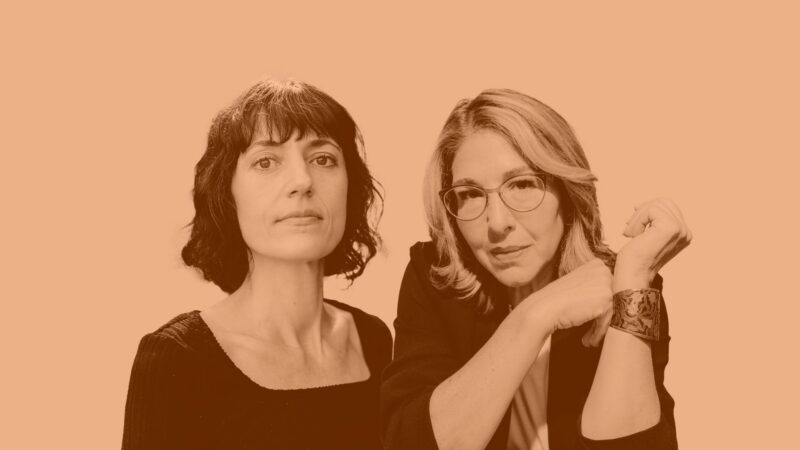
Lucille Cornelius, DIEM25 and MERA25 Spokesperson in The Netherlands, participated in the recent ActiFest as a host and speaker, sharing and exchanging powerful insights with fellow guests
There are moments when activism moves beyond slogans and social media posts and becomes something deeply human.
My experience at ActiFest, an initiative created and organised by the Art Collective for Peace, was one of those moments where art, resistance, memory, and collective struggle came together in a powerful expression of global solidarity.
Many international and local organizations participated in this event, including Amnesty International, Actifonds, BDS, Plant Een Olijfboom and of course DiEM25 in the Netherlands and MERA25 Netherlands.
I was tasked with the hosting of a panel discussion centred on Global Solidarity.
The conversation brought together voices from different countries, political experiences, and social movements, reminding us that while our struggles may look different, the systems that oppress people are often deeply interconnected.
Among the speakers was Abdelrahman ElGendy, a prize winning author, whose presence carried both weight and inspiration. As a former political prisoner from Egypt, Abdelrahman spoke from lived experience about repression, resilience, and the cost of speaking truth to power. His story of resilience and the human spirit, finding hope in hopelessness and reminding us that hope is often the result of oppression was a captivating and moving experience.
We were also joined by Sima Asvadi from DiEM25 in the Netherlands, who brought insight into transnational organising and the importance of building democratic movements that cross borders rather than retreat behind them. She told of her activation during the Iranian Revolution, inspiring us by using the phrase “Shout One Thing” (a phrase which, with Sima’s permission, I may be using soon to organise more actions in the Netherlands). Her contribution highlighted how systemic oppression, even of women, is still very much entrenched in 21st century structures of governance.
From the United States, filmmaker Taylor Smith contributed perspectives on storytelling, media, and the role of art in documenting injustice. Through film and visual narrative, Taylor explored how communities experiencing displacement, war, and marginalisation can reclaim their humanity and voice.
She reminded us how big tech was being allowed to organise in the background and become integrated into colossal machines that would disrupt art for the sake of pre planned narrative.
The panel was further enriched by Mimi, a local activist and organiser who also is involved in the mental health sector in the Netherlands. Her contribution grounded the discussion in the emotional realities of activism and survival. Too often, movements focus solely on resistance without acknowledging the psychological toll that oppression, displacement, racism, and political violence place on individuals and communities. Mimi reminded us that care, healing, and mental wellbeing are also forms of resistance and to always seek and build community.
But ActiFest was far more than a panel discussion.
The entire day felt like a living archive of resistance and remembrance. There were art exhibitions that challenged silence and demanded reflection. Music filled the space with both grief and hope.
Comrade Sima Asvadi and I went together and sat in the Art Passage in front of the rows of shoes which represented the more than 20,000 children that have been murdered by occupation forces in Gaza. The overwhelming emotion I felt from that bone-chilling depiction representing the children murdered in Gaza remains with me even today. This is an experience that would leave even the most hard hearted amongst us deeply emotionally unsettled.
Walking through that gallery was sensorily overwhelming. The absence represented by those shoes spoke louder than words ever could. The walls were a death memorial dedicated to the silenced voices that have been systematically erased by the Israeli war machine, the journalists who have been killed for daring to be truth tellers.
Their photos looked over the shoes, almost like a silent witness, urging us to keep the message alive.
In the main hall, amongst the artists and musicians, was music and story telling by the Sudanese Community: eye opening and real, transporting us into war torn lands and helping to understand the plight and experiences of refugees.
Abdulaal Hussein, a young filmmaker who made a documentary called “Ask Me Anything” enthralled us with his wit and profoundly deep reflections into human behavior and “othering”, using conversation to help people understand each other better and also exposing the stark hypocrisy in Western society.
Amongst the performers was Sudanese-Dutch artist Razeen, known for projects like Yallah Nargus, focusing on Sudan’s culture and raising awareness about the conflict in his homeland
Attendees were also treated to resistance theatre and film screenings featuring stories from displaced people and communities living under war and occupation. These were not abstract political debates; they were deeply personal testimonies of survival, loss, and endurance.
The performances forced us to confront uncomfortable truths while also recognising the extraordinary resilience of people who continue to create, resist, and dream despite unimaginable hardship.
During the panel, I spoke about the importance of global solidarity and why we must remain connected to one another’s causes without losing sight of our own individual and collective struggles. Solidarity is not about erasing differences or pretending all experiences are the same. It is about recognising that injustice anywhere has consequences everywhere.
In a world increasingly shaped by division, nationalism, censorship, and dehumanisation, spaces like ActiFest matter profoundly. They remind us that solidarity is not simply a political concept! It is a mindful action that requires daily practice. It lives in conversations, in art, in protest, in storytelling, and in the willingness to listen to each other across borders and identities.
What stayed with me most after the event was the reminder that resistance is not only about fighting against oppression; it is also about protecting our shared humanity. Whether through art, activism, filmmaking, mental health advocacy, or political organising, every person present contributed to a collective message. We cannot afford to become disconnected from one another’s pain or one another’s liberation.
ActiFest was a testament to the power of people coming together not only to witness suffering, but to insist on dignity, justice, and hope.
In keeping with DiEM25’s Resistance is Existence theme, building solidarity and networks of resistance, DiEM25 in the Netherlands as well as MERA25 Netherlands will be embarking on many other joint ventures with like-minded organisations to organise for change.
Do you want to be informed of DiEM25's actions? Sign up here