








On World Mental Health Day, Europe must face the systemic roots of mental illness and embrace new paths to healing
A silent crisis. That is what it has been called. A crisis that touches all of us, directly or indirectly. A crisis that affects every layer of society: individuals, families, communities, workplaces. A crisis that costs society dearly each year and leaves behind distressing situations. Its roots are systemic and political, and the solutions put forward so far are, to say the least, far from sufficient.
October 10 is World Mental Health Day.
In Europe, one in six people will experience a mental health condition in their lifetime. The country-level figures are alarming with depression, anxiety, and addiction being the most common disorders. The numbers across the continent speak for themselves: Portugal has the highest use of antidepressants in Europe, one in four young French people report depressive symptoms, anxiety disorders affect 15 percent of Germans and the list continues across all European countries.
These conditions are partly caused and worsened by other crises and social factors: economic instability, climate change, housing shortages, loss of meaning at work, isolation in an ever more connected world. Addressing these causes, investing more resources in patient care, and opening new avenues of treatment is essential. Especially since mental health conditions remain among the most under-researched medical challenges, with few new treatment options.
Against this backdrop, the revival of scientific research into psychedelic therapies, halted in the late 1970s for dubious political and media reasons, offers a highly promising path.
Substances like psilocybin, LSD, MDMA, and DMT, used for centuries in traditional contexts before modern science began to study them, are proving valuable for treating the struggles of our time.
There is growing scientific consensus that psychedelic therapies hold great potential, especially for patients for whom no other treatment works. Beyond scientific enthusiasm, political shifts are emerging: Germany has just opened compassionate access to psilocybin for treatment-resistant depression, the Czech Republic has legalized its therapeutic use starting in 2026, and Switzerland has allowed it since 2014.
Non-addictive and with no significant side effects, these therapies show promise for alleviating depression, anxiety (particularly at the end of life), PTSD, and addictions.
Unlike conventional medicines that only target symptoms, psychedelics can reach the roots of suffering such as fear of death, traumatic experiences, disconnection from community or nature and loss of meaning. Of course, this transformative potential also carries risks, which is why proper guidance is crucial.
In this sense, psychedelic therapies represent not another pill for another symptom, but a paradigm shift: helping individuals with a chance to rethink the values that bind us together, through experiences that often bring profound perspective and change.
But it should not be only certain citizens of certain countries who have access to the most innovative treatments, thus reproducing inequality in healthcare access, but all citizens who need them, in a safe and affordable way.
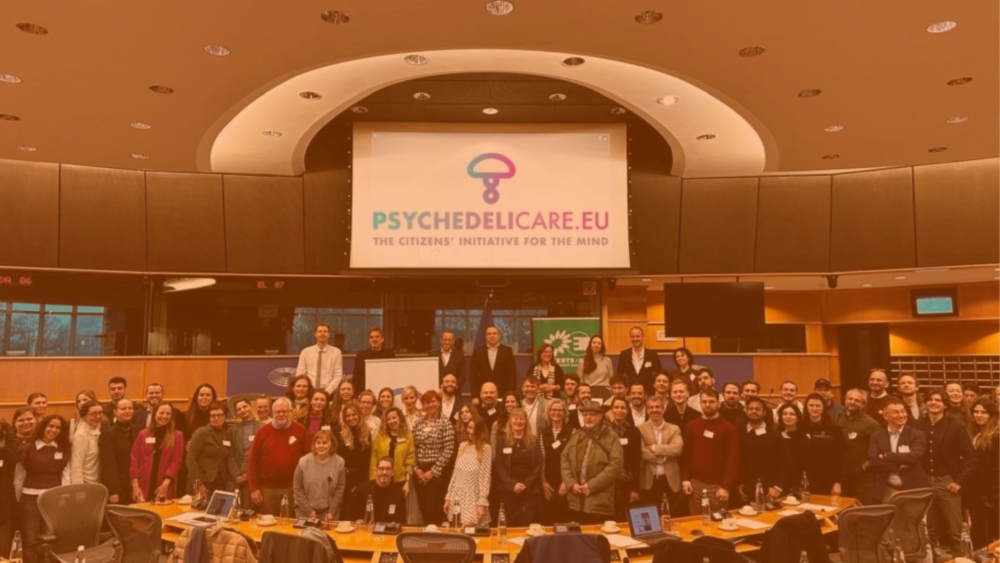
This is what our campaign, PsychedeliCare, is calling for, and you can support it here.
Do you want to be informed of DiEM25's actions? Sign up here