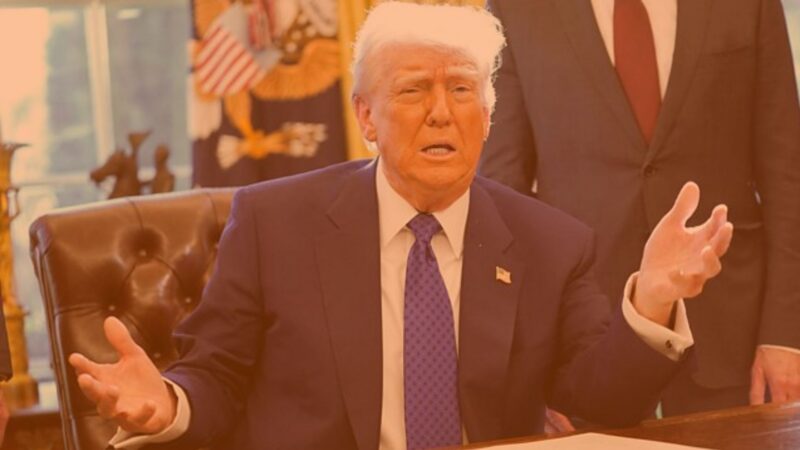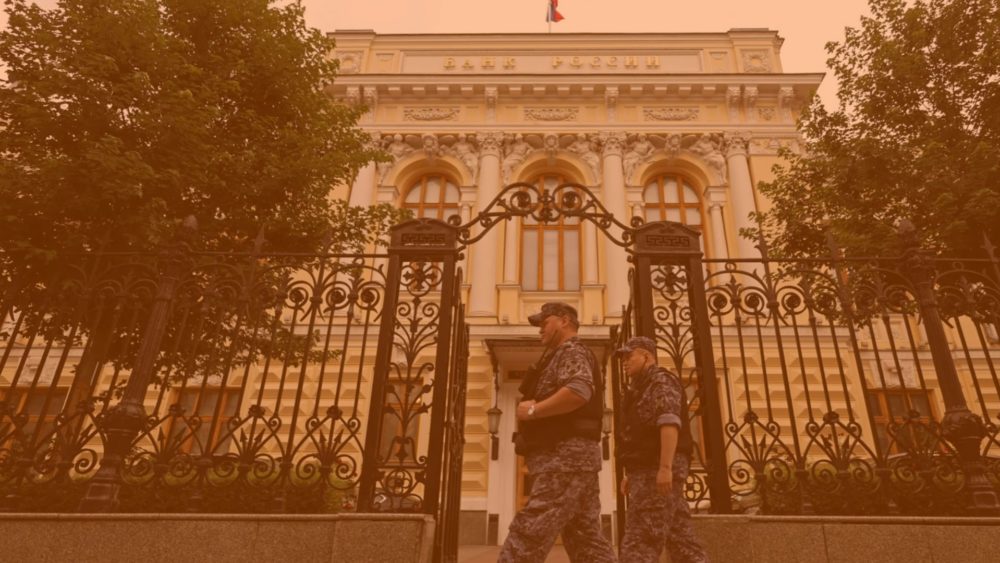
Ceasefire talks to end Russia’s invasion of Ukraine happen in fits and starts. Most recently, US President Donald Trump unveiled a plan that largely reflected concessions long sought by Moscow, only to see it collapse after pushback from Ukraine and Europe. The failure followed months of US-Russia engagement, including a high-profile meeting between President Trump and Russian President Vladimir Putin in Alaska, which generated headlines but no breakthroughs.
The latest effort to end the conflict is now being led by Europe. The plan centers on using frozen Russian assets – seized after Moscow’s 2022 invasion of Ukraine – to fund Kyiv’s war effort. European leaders believe the threat of permanently losing those assets could pressure President Putin to reconsider the invasion.
The question is: will it work?
Chasing a ceasefire
President Trump campaigned repeatedly on the claim that, if elected, he would end the war in Ukraine within 24 hours. That promise came in 2024, after more than two and a half years of fighting and amid reports of earlier efforts – particularly by then-Prime Minister Boris Johnson in the UK – to discourage talks between Russia and Ukraine that may have ended the war sooner.
Now, nearly a year after Trump’s return to the White House in January 2025, the war continues.
This is not for lack of effort by Washington. Trump has positioned himself as a “peacemaker” and, at the June 2025 NATO summit, claimed credit for helping resolve two separate international disputes. At the same summit, he also pressed NATO leaders to commit to increased military spending.
On Ukraine, Washington moved quickly. US envoys were dispatched to Moscow soon after Trump’s re-entry into office, marking a sharp break from the diplomatic isolation imposed on Putin following the invasion. The administration also signaled a willingness to reopen trade channels with Russia, framing the approach as a transactional reset consistent with Trump’s business-oriented worldview.
At the same time, Ukraine was no longer receiving Washington’s unconditional backing. The White House argued that US support had come at too little cost to Kyiv and insisted that future assistance be tied to access to Ukraine’s raw materials. Tensions peaked in February during a heated Oval Office meeting between Trump and Ukrainian President Volodymyr Zelensky.
Since then, the two leaders have reconciled, culminating in the signing of a mineral-sharing agreement.
Trump has also publicly expressed frustration with Putin. Still, Washington has continued to court Moscow, most notably through a reported 28-point proposal that offered major concessions including a formal end to NATO membership aspirations for Ukraine and controversial recognition of Russian control over parts of the Donbas.
Europe takes center stage
Washington’s 28-point plan met immediate resistance not only in Kyiv, but across Europe.
EU leaders, while contributing less militarily than the United States, have remained firm in their political, financial, and diplomatic support for Ukraine. President Zelensky has recently met with French President Emmanuel Macron, German Chancellor Friedrich Merz, and Italian Prime Minister Giorgia Meloni to advance a European counter-proposal to Washington’s approach.
At the center of Europe’s strategy is a controversial idea: using frozen Russian sovereign assets held in Europe to finance Ukraine’s war effort.
Those assets – seized after the 2022 invasion – are estimated at roughly €300 billion. In theory, they could fund Ukraine’s defense and reconstruction needs for several years. The proposal would either involve the EU loaning the money to Ukraine, to be repaid if Russia eventually pays reparations, or moving toward outright confiscation of the assets to directly support Kyiv.
The plan has exposed fractures within the European bloc. Much of the money is held by Euroclear, a Belgium-based financial services firm, meaning Belgium would bear the brunt of any legal retaliation. Russia has already begun legal proceedings, prompting Brussels to ask other EU member states to share the potential financial and legal burden.
Consensus is also weakening. Hungary and Slovakia have openly opposed the plan, and Czechia has recently signaled hesitation. Because the proposal requires unanimous approval, even limited dissent could derail it. EU officials are also wary of the reputational damage that could come from seizing another nation’s sovereign wealth – a move that could undermine confidence in European financial institutions and further energize right-wing movements hostile to the bloc.
The ugly truth about the war in Ukraine
Donald Trump is right about one thing: Russia’s invasion did not have to happen. Nor did the war need to last this long.
The post–Cold War pledge by US officials that NATO would not expand “one inch eastward” – followed by the alliance’s steady expansion toward Russia’s borders – helped shape the conditions that produced Vladimir Putin.
US involvement in Ukraine during the 2014 Maidan uprising further deepened Moscow’s suspicions. That was followed, during Trump’s first term, by disputes over Europe’s mostly Russian-provided gas supply and Washington’s push for US liquefied natural “freedom gas” on the Continent.
The new Cold War reached a peak in late 2021, when Russia submitted draft security agreements to the Biden administration seeking guarantees against further NATO expansion, including to Ukraine. Earlier that year, reporting had detailed expanded military cooperation and joint exercises between NATO and Ukrainian forces.
In February 2022, after negotiations failed, Russia invaded.
Despite Ukraine’s determined resistance in the early months of the war, battlefield losses have mounted. Leaked Pentagon assessments suggest that Western officials believed as early as 2023 that Ukraine’s counteroffensive was unlikely to succeed.
Now, with momentum on his side, Putin appears intent on extracting maximum concessions – from Ukraine and its Western backers alike. That reality may ultimately mean territorial losses.
Which brings the debate back to Europe’s plan: will the threat of losing Russia’s frozen assets finally be enough to force an end to the war? Or simply make a bad situation worse?
Do you want to be informed of DiEM25's actions? Sign up here